

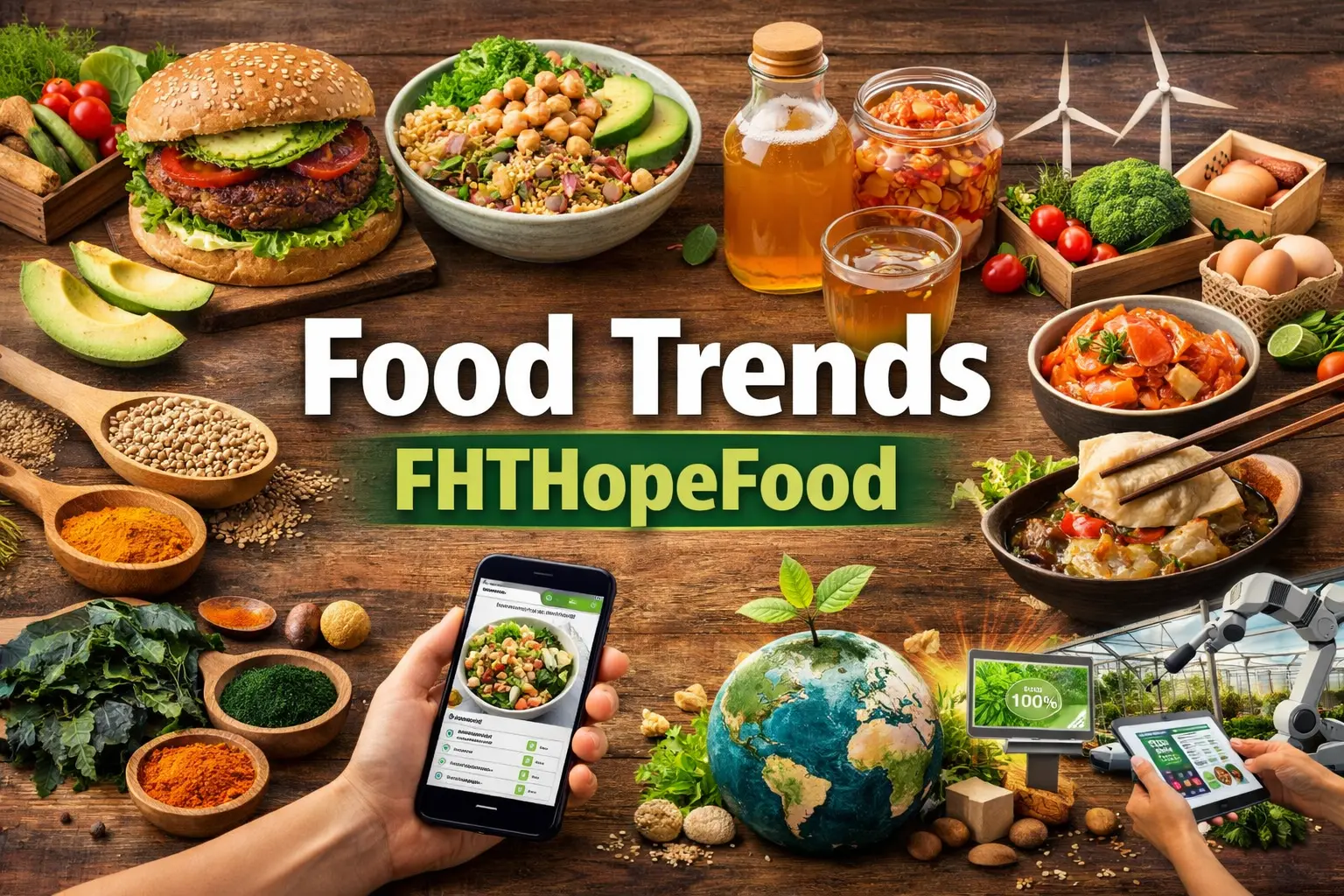
Food habits are constantly evolving as people become more aware of nutrition, sustainability, and global culinary influences. In recent years, discussions about modern eating patterns have introduced a variety of new ideas that combine health, innovation, and cultural exploration. One topic that has gained attention in these discussions is food trends fhthopefood. This concept reflects a broader view of how food is changing in response to consumer preferences, technological advancements, and environmental concerns.
Today’s consumers are no longer satisfied with simply eating what is available. They want food that supports their health, respects the planet, and offers unique flavors. The idea behind food trends fhthopefood highlights these shifts and helps people understand how the global food landscape is transforming. From plant-based meals to sustainable agriculture and global flavor experimentation, modern food culture is becoming more diverse and thoughtful than ever before.
The Changing Landscape of Modern Food Culture
Food culture has always been influenced by lifestyle, geography, and social changes. However, in the modern world, these influences are accelerating at a much faster pace. Social media, global travel, and digital food communities have made it easier for people to discover new ingredients and cooking styles.
Within this evolving landscape, food trends fhthopefood represents a collection of emerging ideas that emphasize healthier and more responsible eating habits. People are paying closer attention to what they consume and how it affects both their bodies and the environment. As a result, restaurants, food producers, and home cooks are adapting their choices to meet these expectations.
Consumers are now exploring foods that are nutrient-rich, ethically sourced, and environmentally friendly. This shift is not only shaping menus but also transforming how food is produced, distributed, and marketed around the world.
The Rise of Plant-Based Eating
One of the most visible developments connected to food trends fhthopefood is the growing popularity of plant-based diets. More people are reducing their meat consumption and turning to vegetables, legumes, grains, and plant-based proteins as their primary food sources.
This shift is driven by several factors. Health awareness plays a significant role, as plant-based foods often contain essential nutrients while being lower in saturated fats. Environmental concerns are another important factor because plant-based food production typically requires fewer natural resources than traditional livestock farming.
Restaurants and food companies are responding by offering a wider variety of plant-based meals. From meat alternatives made from peas or soy to creative vegetable dishes that highlight natural flavors, plant-based cooking is becoming a central part of modern culinary culture.
Sustainable Food Practices and Responsible Consumption
Sustainability has become a defining theme in discussions about the future of food. People are increasingly aware that food production has a major impact on natural resources, climate conditions, and biodiversity.
Food trends fhthopefood highlights the importance of sustainable food practices that reduce waste and promote responsible consumption. Many households and businesses are adopting methods that help minimize environmental impact while maintaining high-quality nutrition.
For example, chefs and home cooks are finding creative ways to use ingredients that were previously discarded. Vegetable stems, fruit peels, and leftover grains are being transformed into flavorful dishes instead of being thrown away. These practices support a circular food system that values efficiency and environmental responsibility.
Farmers are also exploring regenerative agriculture methods that restore soil health and encourage biodiversity. These approaches aim to create a more balanced relationship between food production and the natural environment.
Functional Foods and Nutritional Awareness
Modern consumers are increasingly interested in foods that provide benefits beyond basic nutrition. Functional foods have become a key component of food trends fhthopefood because they offer additional advantages that support overall wellness.
Examples of functional foods include fermented products that promote gut health, ingredients rich in antioxidants, and foods that help strengthen the immune system. Many people now view food as an important tool for maintaining physical and mental well-being.
This trend has encouraged the popularity of ingredients such as turmeric, ginger, fermented vegetables, and probiotic beverages. These foods are valued not only for their taste but also for their potential health-supporting properties.
As nutritional awareness continues to grow, people are making more thoughtful choices about the ingredients they include in their daily meals.
Fermented Foods and Gut Health
Fermentation is an ancient food preservation technique that has gained renewed interest in modern food culture. Many fermented foods contain beneficial microorganisms that support digestive health.
Within the context of food trends fhthopefood, fermented products such as kimchi, kefir, miso, and kombucha are becoming increasingly popular. These foods offer distinctive flavors while also contributing to a balanced gut microbiome.
The renewed interest in fermentation reflects a broader desire for natural and minimally processed foods. Many individuals prefer traditional preparation methods that maintain nutritional value and enhance flavor through natural processes.
Fermented foods are now widely available in grocery stores, restaurants, and local markets, making them easier for consumers to include in their diets.
Global Flavors and Culinary Exploration
Another important element of food trends fhthopefood is the growing curiosity about global cuisine. People are exploring dishes and ingredients from different cultures, creating a more diverse culinary environment.
Travel, cultural exchange, and online food communities have introduced consumers to flavors from regions that were once unfamiliar. Spices, sauces, and cooking techniques from various parts of the world are now influencing everyday cooking.
For example, dishes inspired by Asian, African, Mediterranean, and Latin American cuisines are appearing in home kitchens and restaurant menus alike. These influences encourage creativity and introduce new taste experiences.
Global culinary exploration also promotes cultural appreciation by highlighting traditional recipes and food preparation methods that have been passed down through generations.
The Influence of Technology on Food Trends
Technology is also playing a major role in shaping the future of food. Digital platforms allow chefs, food creators, and home cooks to share recipes, techniques, and ideas with a global audience.
Food trends fhthopefood reflects how technology has transformed the way people discover and prepare meals. Online cooking tutorials, recipe platforms, and food photography have made it easier for individuals to experiment with new ingredients and cooking styles.
In addition to digital communication, technological innovation is improving food production methods. Advanced farming techniques, data-driven agriculture, and improved food storage solutions help ensure that food systems become more efficient and sustainable.
These developments are helping producers meet the growing demand for healthier and more environmentally responsible food options.
The Growing Popularity of Local and Seasonal Foods
Local and seasonal eating has become increasingly popular as consumers seek fresher ingredients and support local farmers. This approach aligns closely with the principles highlighted in food trends fhthopefood.
Seasonal foods are often harvested at their peak flavor and nutritional value. They also require fewer transportation resources, which helps reduce environmental impact.
Farmers’ markets, community-supported agriculture programs, and local food networks are making it easier for people to access fresh ingredients directly from nearby farms. This connection between producers and consumers strengthens local economies and encourages more sustainable food systems.
Choosing seasonal ingredients also inspires creativity in cooking because people learn to prepare dishes that reflect the natural cycles of food production.
The Future of Food Trends
The future of food will likely continue evolving as people seek better ways to nourish themselves and protect the planet. Innovations in agriculture, nutrition science, and culinary creativity will play an important role in shaping what people eat in the coming years.
Food trends fhthopefood highlights how these developments are connected through a shared focus on sustainability, health, and cultural exploration. As consumers become more informed, they are likely to continue supporting food choices that align with these values.
Food producers, chefs, and researchers will continue exploring new ingredients, techniques, and technologies that improve the quality and accessibility of food. These efforts will help ensure that future generations have access to nutritious and responsibly produced meals.
Conclusion
The modern food landscape is undergoing a remarkable transformation driven by health awareness, sustainability concerns, and global culinary exploration. The concept of food trends fhthopefood reflects these changes by highlighting the key developments shaping contemporary eating habits.
From plant-based diets and fermented foods to sustainable agriculture and global flavor experimentation, the way people approach food is becoming more thoughtful and informed. Consumers are seeking meals that not only taste good but also support their well-being and the health of the planet.
As these trends continue to develop, they will influence the choices made by individuals, restaurants, and food producers around the world. Understanding these shifts provides valuable insight into the future of food and the evolving relationship between people and what they eat.
FAQs
What does food trends fhthopefood refer to?
Food trends fhthopefood refers to modern developments in food culture that focus on health, sustainability, and innovative culinary practices.
Why are plant-based diets becoming popular?
Plant-based diets are growing because they support health, reduce environmental impact, and provide diverse nutritional options.
How do fermented foods support health?
Fermented foods contain beneficial bacteria that help maintain digestive balance and support gut health.
Why are global flavors becoming more popular?
Global travel and online food communities have introduced people to new ingredients and cooking styles from different cultures.
What role does sustainability play in modern food trends?
Sustainability encourages responsible food production, reduces waste, and helps protect natural resources for future generations.
You Read Also: Supplement Management TheSpoonAthletic: A Complete Guide for Smarter Athletic Performance
