

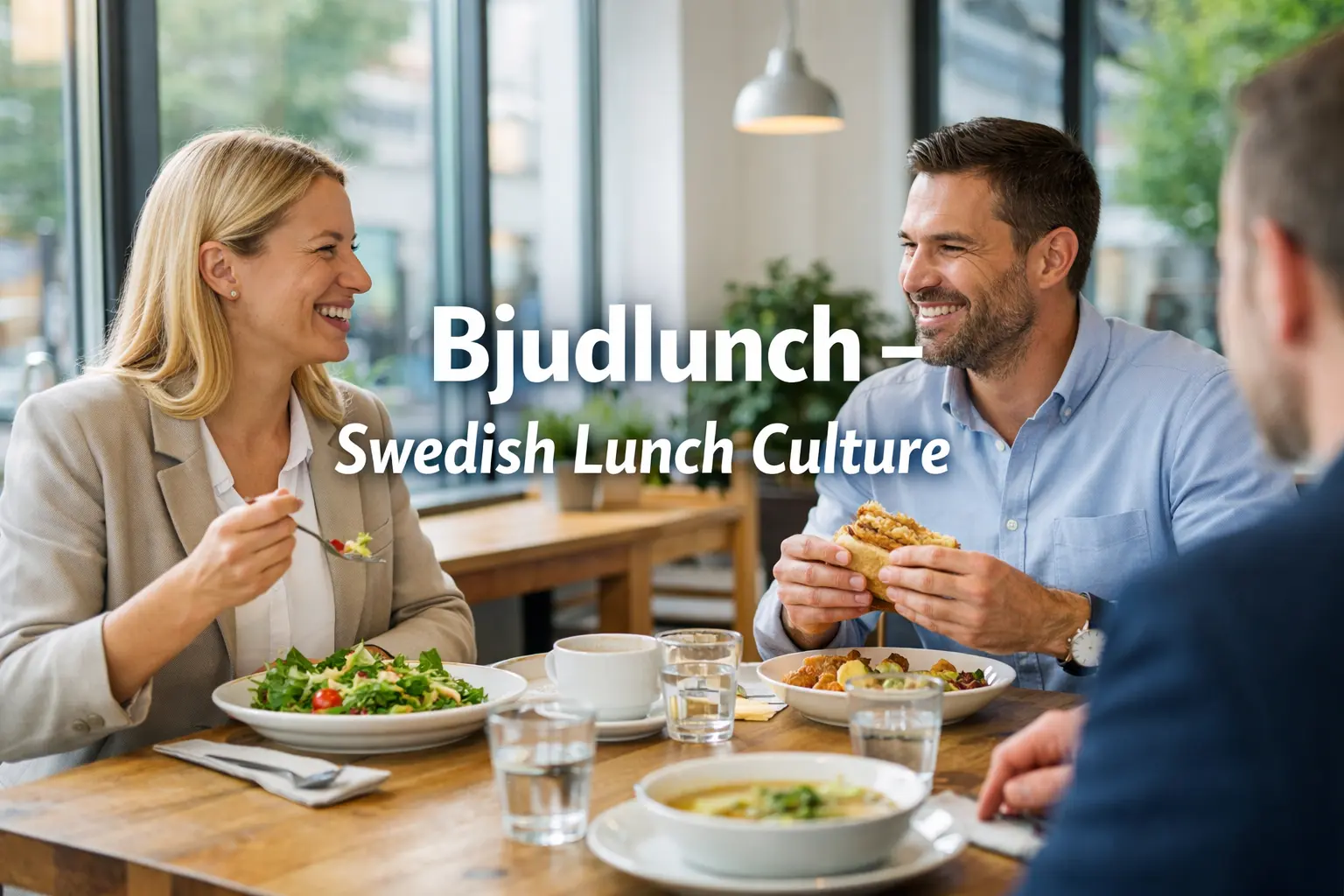
Sweden has many unique cultural practices that reflect its values of equality, simplicity, and social connection. One such tradition is the concept of bjudlunch. While it might sound like just a simple lunch invitation, bjudlunch carries a deeper cultural significance that influences both personal and professional interactions. This guide will explore everything you need to know about bjudlunch, from its meaning and etiquette to its role in business and modern adaptations.
What is Bjudlunch?
The term bjudlunch comes from the Swedish words “bjuda,” meaning to offer or invite, and “lunch,” referring to the midday meal. In essence, bjudlunch is the act of inviting someone to lunch and covering the cost yourself. Unlike a casual lunch where each person pays for their own meal, a bjudlunch reflects generosity, thoughtfulness, and often the desire to strengthen a relationship.
In Swedish culture, bjudlunch is more than just eating together. It is a gesture of hospitality, respect, and appreciation. Whether it is a professional setting or a personal relationship, hosting a bjudlunch is a way to show care and build trust.
The Cultural Significance of Bjudlunch
Swedes place great value on equality and modesty, which is clearly reflected in the tradition of bjudlunch. While inviting someone for lunch and paying for it might seem like a grand gesture in some cultures, in Sweden, it is typically simple, modest, and focused on genuine conversation.
Bjudlunch serves several cultural purposes:
- Relationship Building: Whether with colleagues, clients, or friends, sharing a meal encourages open communication.
- Social Etiquette: It is considered polite and thoughtful to offer a bjudlunch, especially when thanking someone or celebrating achievements.
- Modesty in Generosity: The focus is on the gesture, not extravagance. Restaurants chosen for a bjudlunch are often casual lunch spots rather than luxury venues.
Bjudlunch in Business Settings
One of the most common contexts for a bjudlunch is the professional environment. In Sweden, inviting a colleague, client, or business partner to lunch can be an effective way to foster collaboration, discuss projects, or negotiate agreements. Unlike formal meetings, a bjudlunch creates a relaxed environment where conversation flows naturally.
Some typical business scenarios for bjudlunch include:
- Welcoming new team members
- Networking with potential clients or partners
- Celebrating project milestones or successes
- Informal discussions or brainstorming sessions
Paying for the meal yourself sends a message of goodwill and professionalism. However, Swedish etiquette emphasizes subtlety; the act of paying should not be boastful but rather a natural part of the interaction.
Personal Uses of Bjudlunch
Beyond professional contexts, bjudlunch plays an important role in personal life. Friends and family members may organize a bjudlunch to reconnect, express gratitude, or simply spend quality time together. The tradition reinforces the idea that relationships are strengthened not through grand gestures, but through meaningful shared experiences.
Some common personal uses of bjudlunch include:
- Celebrating birthdays or achievements
- Catching up with a friend or relative
- Expressing thanks for support or help
- Reconnecting after a period of absence
By hosting a bjudlunch, individuals demonstrate thoughtfulness and care, fostering stronger social bonds.
How to Host a Bjudlunch
Hosting a bjudlunch may seem simple, but there are subtle etiquette rules to ensure it is well-received:
- Choose the Right Venue: A casual café or lunch spot is ideal. The focus should be on conversation, not luxury.
- Send a Polite Invitation: A friendly message or verbal invite works, emphasizing that you would like to treat the other person.
- Arrive Prepared: Arrive on time, and be ready to engage in pleasant, meaningful conversation.
- Pay Gracefully: When the bill arrives, handle it discreetly. The goal is to be generous without drawing attention to the payment.
Following these steps ensures that the bjudlunch remains a positive and culturally respectful experience.
Modern Adaptations of Bjudlunch
In today’s digital and remote work environments, the concept of bjudlunch has evolved. While traditional in-person lunches remain popular, virtual adaptations and company-sponsored meals have become common.
Some modern examples include:
- Virtual Bjudlunch: Colleagues or clients connect via video calls while enjoying a meal from their own location, with one person providing a meal voucher.
- Company-Sponsored Lunches: Organizations host regular lunches to improve team cohesion and employee satisfaction.
- Digital Invitations: Messaging platforms and apps make it easier to send bjudlunch invitations, keeping the tradition alive in a modern context.
Even with these changes, the essence of bjudlunch—connection, thoughtfulness, and appreciation—remains the same.
Why Bjudlunch Matters Today
The bjudlunch tradition continues to hold relevance because it aligns with modern values of social connection and work-life balance. In a fast-paced world, taking time to share a meal and conversation shows respect and fosters trust. Whether in business or personal life, a bjudlunch is an intentional act that strengthens bonds and builds relationships that last.
Conclusion
Bjudlunch is more than a simple lunch invitation; it is a meaningful cultural practice rooted in Swedish values of equality, modesty, and connection. Whether used in professional or personal contexts, bjudlunch allows individuals to build trust, express gratitude, and foster lasting relationships. Hosting a bjudlunch requires attention to etiquette, thoughtful conversation, and genuine generosity. As modern adaptations continue to emerge, the essence of bjudlunch remains a timeless way to connect with others over a shared meal.
FAQs About Bjudlunch
1. What does bjudlunch mean?
Bjudlunch means inviting someone to lunch and covering the cost, reflecting generosity and thoughtfulness.
2. Is bjudlunch only for business?
No, bjudlunch is used both in business and personal contexts to build relationships and show appreciation.
3. How do you invite someone for a bjudlunch?
Send a polite invitation, either verbally or through a message, emphasizing that you would like to host.
4. What type of restaurant is suitable for a bjudlunch?
Casual lunch spots or cafés are ideal, as the focus should be on conversation rather than luxury.
5. Can bjudlunch be done virtually?
Yes, virtual bjudlunches with meal vouchers are popular in remote work environments, keeping the tradition alive.
You Read Also: Understanding Randavü: Everything You Need to Know About This Unique Term
