

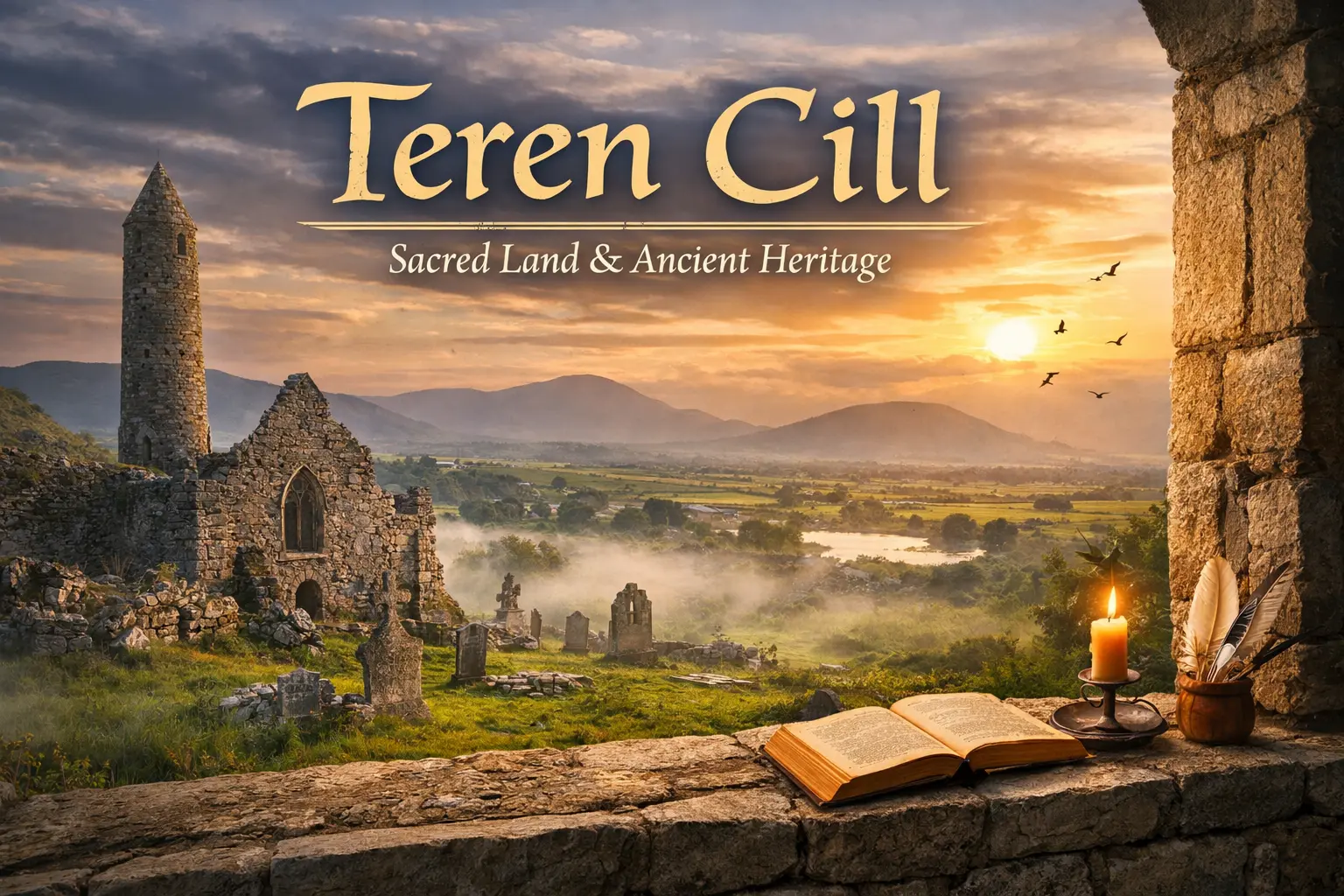
The term “teren cill” has captured the curiosity of many readers and researchers in recent years. While it may appear unfamiliar at first glance, this phrase carries historical, cultural, and even architectural significance. Understanding its origins and usage can provide fascinating insights into language evolution, traditional practices, and modern symbolism. In this article, we explore what “teren cill” means, where it comes from, and why it continues to be a subject of interest today.
Meaning and Linguistic Origins of Teren Cill
“Teren cill” is a phrase that combines elements from different linguistic traditions. The first part, “teren,” is often associated with land, territory, or terrain. Many European languages use similar terms to describe physical land or a defined space, giving the word a grounded and geographical context.
The second part, “cill,” originates from Irish Gaelic and historically refers to a church, monastic cell, or a sacred enclosure. Many place names in Ireland begin with “Kil,” reflecting this root. When combined, “teren cill” can be interpreted as “land of the church” or “sacred territory.” This interpretation highlights the term’s historical association with places of worship, monastic settlements, and lands managed by religious communities.
Linguistically, the phrase is rare but meaningful. It reflects the intersection of language, culture, and geography, offering insight into how societies historically named and conceptualized spaces with spiritual or practical significance.
Historical and Cultural Significance
Historically, regions referred to as “teren cill” were not just sites for spiritual practice but also social and economic hubs. Monastic communities often controlled surrounding land, which was used for farming, education, and shelter for travelers. These lands were considered sacred and were respected by local communities.
The concept of “teren cill” goes beyond religious significance. It also demonstrates how ancient communities integrated their faith with practical life. Agricultural work, education, and community gatherings often took place in these spaces. By exploring this historical background, one can understand the enduring cultural value of the term.
Even today, “teren cill” continues to resonate in historical studies, heritage preservation, and cultural discussions. The idea of sacred or protected land maintains a symbolic meaning for people interested in history and community structures.
Construction and Architectural Reference
While most commonly understood in a historical or cultural context, “teren cill” is sometimes mentioned in discussions about architecture. In this sense, “cill” refers to a window sill or structural element in building design. A window cill serves as the base of a window frame, directing water away from walls, preventing moisture damage, and supporting the structure above.
Although this architectural use is less common, it demonstrates the flexibility of the term. It connects practical construction knowledge with traditional linguistic roots. Some writers or bloggers who discuss home design or historical buildings may use “teren cill” to describe both the physical and conceptual idea of foundational support in structures.
Modern Usage and Symbolic Interpretation
In modern contexts, “teren cill” has gained symbolic significance. Writers, creative brands, and lifestyle platforms sometimes use the term to represent calm spaces, personal boundaries, or areas meant for reflection. The phrase can evoke a sense of serenity and intentional living, appealing to audiences interested in mindfulness, wellness, or creative expression.
The digital world has amplified interest in “teren cill.” Many online searches are driven by curiosity, symbolic interpretation, or even confusion with similar-sounding names. Blogs, creative websites, and social media platforms explore the term to provide explanations, historical context, or even fictional storytelling.
Why People Search for Teren Cill
The interest in “teren cill” can be attributed to multiple factors. Some users are looking for its historical or linguistic meaning, while others may encounter it in creative writing or modern branding. Additionally, the term is occasionally confused with similar names, leading to higher search traffic and online discussions.
Search engines have noticed this curiosity, and content creators often produce articles to clarify its meaning, explore its origins, and provide context for readers. As a result, “teren cill” continues to appear in search queries, making it an engaging topic for educational and informational content.
Conclusion
“Teren cill” is a term that bridges history, language, and culture. From its roots in sacred lands and monastic settlements to its occasional architectural and symbolic usage, the phrase carries layers of meaning. Understanding “teren cill” offers insight into the ways language and culture intersect, providing context for historical communities and modern interpretations alike. Whether you encounter it in academic studies, creative writing, or online discussions, “teren cill” remains a phrase that invites curiosity and deeper understanding.
FAQs About Teren Cill
1. What does teren cill mean?
Teren cill can be interpreted as sacred or protected land, often associated with church or monastic areas.
2. Where does the term originate?
The phrase combines “teren,” meaning land or territory, with “cill,” an Irish Gaelic word for church or monastic cell.
3. Is teren cill used in architecture?
Yes, in some contexts, “cill” refers to a window sill, highlighting its role in structural support and protection.
4. Why is teren cill popular online?
Many people search for its meaning, historical significance, or symbolic interpretation, making it a topic of curiosity.
5. Can teren cill be used symbolically?
Yes, it is often used to represent calm spaces, reflection, and intentional living in modern writing or creative content.
You Read Also: 9632×97: Understanding Its Meaning, Uses, and Significance
